Ten years ago, sustainability reports were often treated as add-ons to corporate communications. Today, they are regarded as core business disclosures — shaping regulatory compliance, brand trust, and increasingly, decisions on green investments. But as expectations rise, so does scrutiny. Stakeholders want more than glossy narratives, they want evidence. Without independent assurance, even the most detailed sustainability reports risk being dismissed as greenwashing, exposing companies to reputational, regulatory, and financial consequences.
The Philippine Context: A Growing Expectation
In the Philippines, sustainability reporting has been required of publicly listed companies (PLCs) since 2019 under the SEC’s Sustainability Reporting Guidelines. Over the years, adoption of global standards such as GRI, SASB, or TCFD has grown, and many local companies have begun to integrate ESG into boardroom discussions.
But while reporting volumes have increased, credibility remains uneven. Many reports are still internally prepared, with limited external validation. For investors, regulators, and customers, this raises a critical question: can the numbers disclosed be trusted?.
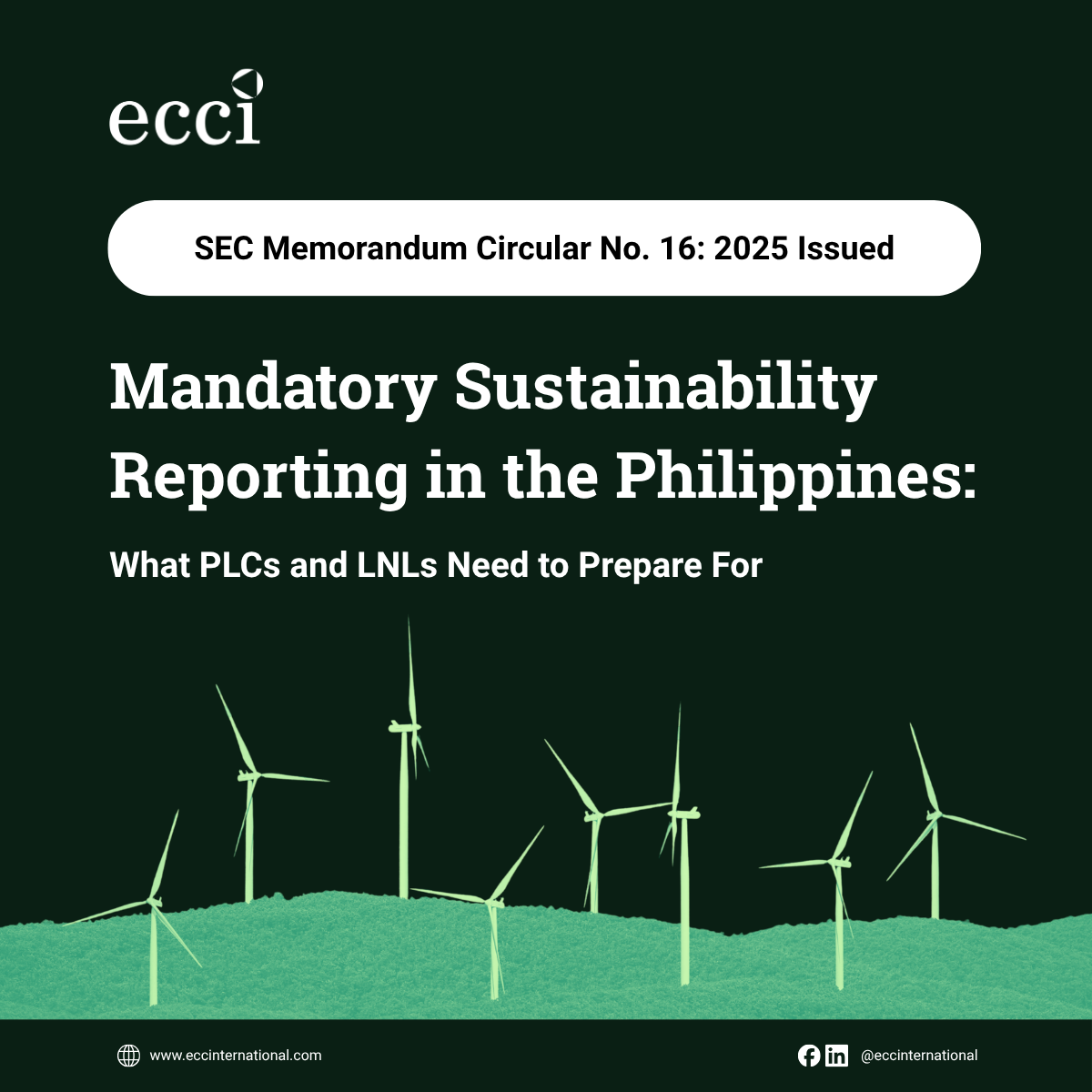
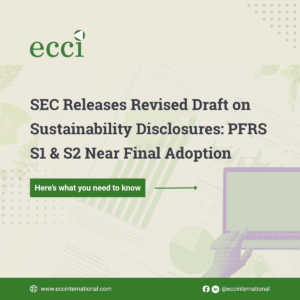
The Philippine SEC is moving to close this gap. In July 2025, it released a draft Memorandum Circular that will make sustainability reporting mandatory for both PLCs and large non-listed entities (LNLs). These disclosures will align with PFRS S1 and S2, the Philippine versions of the ISSB’s global IFRS standards on sustainability and climate-related disclosures.
Crucially, the draft introduces a phased requirement for limited independent assurance of Scope 1 and Scope 2 greenhouse gas (GHG) emissions. Limited assurance means an independent third party reviews and verifies reported emissions to ensure they are free from material misstatement, but without the depth of testing required in a full audit. The SEC has proposed that this assurance requirement take effect two years after a company’s initial reporting obligation, starting first with the largest PLCs before extending to smaller PLCs and LNLs.
The draft also provides transition reliefs — such as flexibility in Scope 3 reporting for the first two years, and allowances for initial reporting using other international frameworks — but the direction is clear: credibility, not just compliance, will define the next chapter of ESG reporting in the Philippines.
Why Assurance Is Becoming Non-Negotiable
- Investor Confidence in the Age of ESG Integration
Global and local investors are factoring ESG into capital allocation. Philippine firms aiming for foreign capital, green bonds, or sustainability-linked loans will find that unassured disclosures no longer cut it. Independent assurance demonstrates that ESG performance is measured with rigor comparable to financial reporting.
- Staying Ahead of Regulatory Trends
The SEC’s draft framework is a clear signal: assurance is not far off from becoming a regulatory expectation. Tiered implementation means the largest PLCs will face the requirement first, with others to follow. Companies that prepare now by building robust ESG data systems and engaging with assurance providers will be ahead of the curve.
- Protecting Reputation and Trust
In a market where brand loyalty is tightly linked to reputation, even the suspicion of “greenwashing” can be costly. Assurance mitigates this risk by validating that sustainability commitments are backed by verifiable, accurate data — reducing exposure to reputational and legal fallout.
- Strengthening Internal Systems
Philippine companies often rely on fragmented ESG data collection across departments. The assurance process exposes these weaknesses and pushes organizations toward stronger internal controls, integrated data governance, and consistent methodologies. These improvements not only enhance reports but also improve decision-making.
- Standing Out in a Crowded Market
With more Philippine companies now filing sustainability reports, the question becomes: Whose disclosures are credible enough to influence investors, regulators, and consumers? Organizations with assured reports will stand apart as mature, responsible, and future-ready.
Moving Toward Leadership
Assurance should not be seen as a compliance burden but as a strategic investment. It signals readiness to operate in a regulated environment, attracts trust from investors, and positions companies as leaders in a market where credibility increasingly defines competitiveness.
Philippine companies — particularly those in high-impact sectors such as property, financial services, mining, and energy — have an opportunity to get ahead. By embedding assurance into their sustainability reporting cycles today, they not only prepare for the SEC’s mandate but also reinforce trust with their stakeholders.
Final Thoughts
Sustainability reporting in the Philippines is entering a new chapter — one where credibility is as important as compliance. Independent assurance is not just about meeting regulatory expectations; it’s about equipping companies to compete in capital markets, strengthen stakeholder trust, and make better business decisions. For organizations serious about long-term value, assurance is the foundation that turns reporting into resilience.
How ECCI Supports Assurance
At ECCI, we understand that credibility is the cornerstone of sustainability reporting. Beyond advisory, we provide independent assurance services to help organizations validate their ESG disclosures against leading global frameworks such as GRI, SASB, and ISSB standards. Our work strengthens the reliability of data, identifies gaps in governance, and builds stakeholder confidence by ensuring reports can withstand scrutiny.
For over 25 years, we’ve partnered with leading companies across industries in the Philippines and Asia, supporting their transition from compliance to leadership in sustainability. Assurance is one of the key tools we bring to help organizations reinforce trust and prepare for the SEC’s evolving requirements.
👉 Ready to see where your organization stands? Take our free Sustainability Maturity Assessment for tailored insights and practical next steps
👉 For more information on our assurance services, visit: https://www.eccinternational.com/consulting/sustainability-reporting-assurance/